A home’s foundation is designed to be a solid, stable base, but the network of pipes running through or beneath it is susceptible to wear and tear. When these pipes fail, the resulting issues can be both difficult to find and expensive to fix, so it’s important to identify slab leaks and call for slab leak repair quickly.
What Are Slab Leaks?
A slab leak is a plumbing failure in the water lines beneath a home’s concrete slab. Because these pipes are encased in or buried under heavy concrete, a break or pinhole leak allows water to escape directly into the ground or against the foundation. This persistent moisture often leads to significant water damage, compromising the integrity of the home’s foundation, saturating the floors, and even wicking up into the walls.
Signs of a Slab Leak
Detecting a problem early is the best way to minimize the need for extensive slab leak repair. Homeowners should be vigilant for several key warning signs:
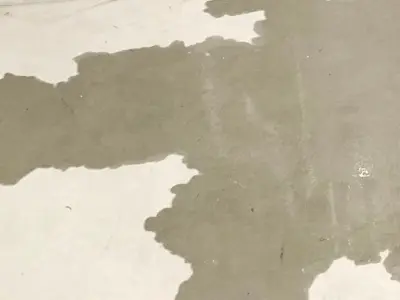
Foundation and Floor Changes: Dark, damp spots on the concrete foundation or damaged flooring are primary indicators. In some cases, specific spots on the floor may feel warm to the touch, which typically indicates a leak in a hot-water line.
Structural Red Flags: Cracks appearing in the foundation, floors, or interior walls can signal that the ground beneath is shifting due to moisture.
Audible and Odor Cues: A persistent musty odor often follows hidden mold growth caused by the leak. Homeowners might also hear running water even when all fixtures and taps are completely turned off.
Utility and Performance Issues: An unexplained, sudden increase in the monthly water bill is a common sign of a hidden leak. Additionally, homeowners may notice a drop in water pressure from their sinks or showers.
Common Causes of a Slab Leak
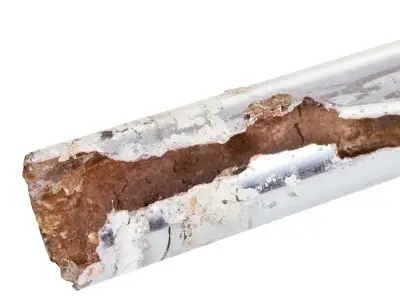
Several factors contribute to the degradation of pipes beneath a foundation. Pipe corrosion due to aging is a frequent culprit, especially in older homes with metal piping. The natural environment also plays a role, as shifting soil can put immense physical stress on the lines, leading to cracks or breaks. Furthermore, excessive water pressure within the system can cause pipes to fail over time.
One of the most effective ways to prevent these issues is by prioritizing routine plumbing maintenance and professional inspections. During these visits, a plumber can identify early warning signs, such as high water pressure or minor corrosion, and address them before they escalate into a situation requiring advanced slab leak detection and repair.
About AAA Advanced Plumbing & Drain
AAA Advanced Plumbing & Drain is a trusted plumbing company serving Cleveland, Ohio, since 1927. They provide 24-hour services, straightforward pricing, and on-time services. Call for slab leak repair in Cleveland, OH.
Protect the Plumbing and Water-Using Appliances With a Water Softener Installation
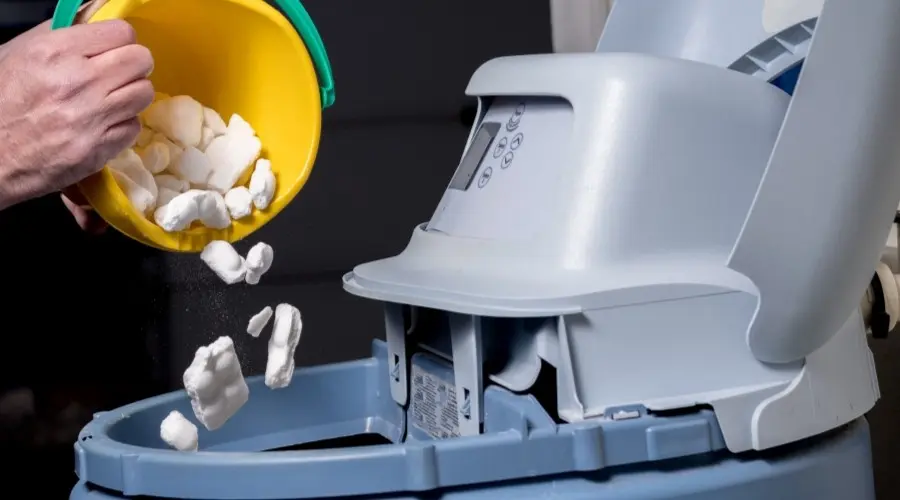
Hard water is a widespread issue in many households, carrying dissolved minerals like calcium and magnesium that gradually take a toll on plumbing systems and the appliances that depend on them. Left unaddressed, the mineral content in hard water silently accumulates inside pipes, water heaters, dishwashers, and washing machines, diminishing performance and shortening the lifespan of equipment that homeowners rely on every day. A whole-home water softener installation is one of the most effective steps a homeowner can take to safeguard both the plumbing infrastructure and the water-using appliances throughout the property.
Plumbing Protection
Hard water minerals like calcium and magnesium are the primary culprits behind limescale buildup, a stubborn deposit that clings to the interior walls of pipes and gradually narrows the pathway through which water must travel. As this mineral accumulation thickens over time, water flow becomes restricted, leading to noticeably low water pressure throughout the home and placing additional strain on the plumbing system as a whole. Installing a water softener removes these hardness-causing minerals from the water supply before they ever reach the pipes, stopping the buildup process at its source.
When scale deposits are left to develop unchecked, the resulting pressure imbalances and pipe deterioration can progress into more serious plumbing problems, including stubborn clogs and pinhole leaks that are costly to locate and repair. Softened water, by contrast, flows cleanly through the plumbing without depositing the mineral residue that weakens pipe walls and joints over years of continuous use. This protective quality means fewer emergency service calls, less frequent repairs, and a plumbing system that maintains its integrity and performance far longer than one exposed to hard water.
The long-term impact of water softener installation on a home’s plumbing lifespan is well documented in the plumbing industry, with softened water consistently contributing to healthier pipes and more stable water pressure throughout the property. Pipes that are protected from scale buildup are less prone to corrosion and structural compromise, which is especially important in older homes where the existing plumbing may already show signs of wear. Investing in a water softener is, in many ways, an investment in the overall health and longevity of the entire plumbing system.
Improved Efficiency and Lifespan for Appliances
Water heaters, dishwashers, and washing machines all share a common vulnerability when hard water runs through them, as the minerals carried in untreated water settle into heating elements, tanks, and internal components as scale and sediment with every cycle. This buildup acts as an insulating barrier, forcing appliances to consume more energy to achieve the same results they once delivered effortlessly, which drives up monthly utility bills and signals a steady decline in operational efficiency. A whole-home water softener addresses this problem at the source, ensuring that the water feeding these appliances is free of the mineral content responsible for scale accumulation.
When appliances are no longer battling the effects of hard water, the internal components can operate within their intended performance parameters without the added strain of working around mineral deposits. A water heater, for example, reaches target temperatures more quickly and maintains them more efficiently when its heating element is clean and unobstructed by scale buildup, directly reducing the energy required to deliver hot water throughout the home. The same principle applies to dishwashers and washing machines, which run cleaner cycles and experience less mechanical wear when softened water flows through their systems.
The financial benefits of protecting appliances with softened water extend well beyond reduced energy bills, as appliances that operate efficiently and without the corrosive effects of hard water tend to last significantly longer before requiring replacement or major repairs. Early appliance failure is one of the hidden costs of hard water that many homeowners do not connect to their water quality until the damage has already accumulated over years of use. A whole-home water softener installation positions homeowners to avoid those premature replacement costs and repair expenses, making it a practical and economically sound home improvement decision.
Improved Cleaning Performance From Appliances
A water softener installation delivers benefits that go beyond protecting pipes and extending appliance lifespans, reaching into the everyday cleaning performance that homeowners depend on from their dishwashers and washing machines. Soap and detergent interact far more effectively with soft water than with hard water, because the dissolved minerals in hard water interfere with lathering and reduce the cleaning power of even high-quality detergents. Soft water allows soaps to activate fully, producing a richer lather that penetrates fabrics and dishes more thoroughly for a noticeably cleaner result with every cycle.
Dishwashers running on softened water are able to rinse dishes completely clean without leaving behind the chalky white residue and water spots that hard water minerals deposit on glassware and cookware. Washing machines benefit similarly, as soft water allows laundry detergent to work through fabrics more effectively, lifting stains and odours without the mineral interference that can leave clothes feeling stiff or dingy after a wash cycle. The cleaning performance improvements that come with softened water are often immediately apparent to homeowners who make the switch, reinforcing the value of the installation beyond just the technical and mechanical benefits.
An added advantage that many homeowners appreciate is the reduction in detergent usage that soft water naturally enables, since less soap is needed to achieve the same level of cleanliness when mineral interference is eliminated from the equation. Over months and years of regular use, the savings on detergent and cleaning products contribute meaningfully to the overall return on a water softener investment. For a household looking to improve cleaning results, protect its appliances, and reduce ongoing costs all at once, a professional water softener installation is a solution worth exploring with a trusted local plumber.
Call AAA Advanced Plumbing & Drain
AAA Advanced Plumbing & Drain is a comprehensive plumbing solutions company serving Cleveland, OH, and beyond. They offer straightforward pricing, same-day services, and the latest technology. Call them today for reliable water softener services in Cleveland, OH.
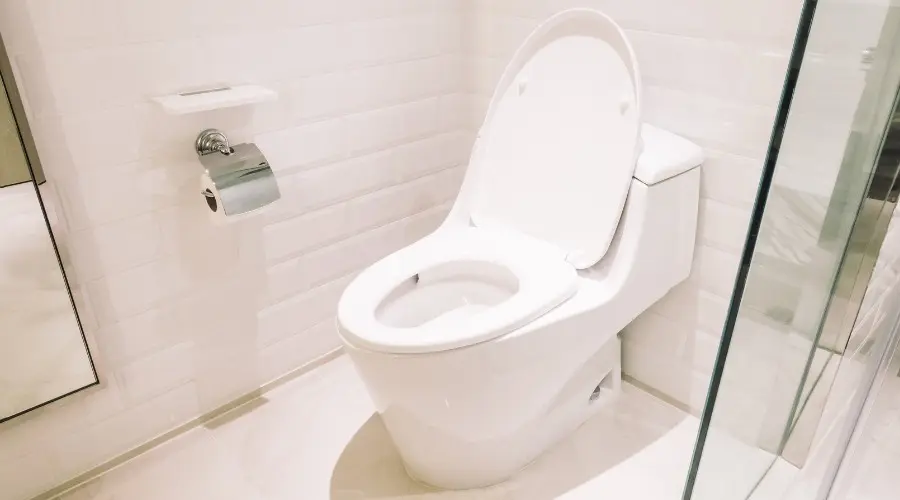
Every flush begins a quiet journey through pipes and drains, where proper function depends on balance, pressure, and clear passageways. Small disruptions often start unnoticed, yet gradual changes reveal patterns that signal deeper plumbing concerns. Awareness of these early signs and habits shapes a more reliable plumbing system that continues to perform without interruption.
Signs a Toilet Needs Repair or Replacement
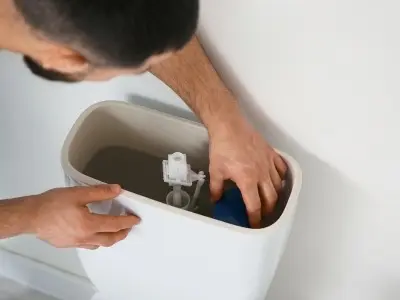
A toilet that continues running after each flush introduces a constant water flow that signals internal component failure. Leaks around the base or tank begin as minor moisture but often develop into more serious structural concerns. Frequent clogging disrupts daily use and reflects underlying blockages or worn internal mechanisms.
Weak or incomplete flushes reduce efficiency and leave waste behind, indicating problems within the flushing system or water pressure balance. Cracks in the tank or bowl create visible damage that risks further leakage and potential water damage over time. Each of these warning signs points toward the need for timely toilet repair to restore proper operation.
Recurring repairs and increasing water bills often reveal a deeper issue tied to aging or inefficient fixtures. Toilets that exceed twenty-five years in age frequently lack modern water-saving features and operate below current efficiency standards. Replacement becomes a practical solution when performance declines, and repair costs continue to rise.
Tips for Preventing Toilet Clogs
A clear and efficient drain begins with mindful flushing habits that protect the integrity of the plumbing system. Toilet paper and human waste move through pipes as intended, while items such as paper towels, wipes, and dental floss create unnecessary obstructions. Restricting flushed materials ensures smoother wastewater flow and reduces the likelihood of clogs.
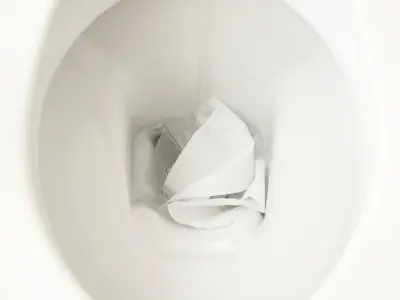
Excessive toilet paper accumulation forms dense blockages that resist breakdown within the drain line. Smaller amounts combined with multiple flushes allow waste to move gradually without overwhelming the system. This simple adjustment maintains steady flow and prevents pressure buildup within pipes.
Routine awareness of flushing habits contributes to long-term plumbing performance and fewer unexpected disruptions. Consistency in proper use minimizes strain on both toilets and connected drain lines. Preventive care supports a system that continues to operate efficiently with minimal intervention.
How Sewer Lines Impact Toilets
Deep within the plumbing system, sewer lines serve as the final pathway for wastewater leaving the property. When blockages form within these lines, pressure builds and disrupts normal flow, often leading to frequent toilet clogs and unexpected backups. These issues reflect conditions beyond the fixture itself and require a broader inspection of the system.
Improper flushing habits gradually impact sewer line performance as non-biodegradable materials accumulate over time. Even when a toilet appears to flush without issue, hidden buildup may continue forming within the sewer line. This delayed effect creates larger obstructions that eventually interfere with toilet function.
Consistent plumbing performance depends on maintaining both the fixture and the sewer line beneath it. Professional diagnostics and maintenance ensure that hidden problems receive accurate identification and effective solutions. Addressing these concerns early supports reliable operation and reduces the risk of major plumbing disruptions.
Call AAA Advanced Plumbing & Drain
AAA Advanced Plumbing & Drain is a comprehensive plumbing solutions company serving Cleveland, OH, and beyond. They offer straightforward pricing, on-time services, and the latest technology. Call them today for professional toilet services in Cleveland, OH.
Working Sump Pumps Protect Homes From Flooding and Water Damage
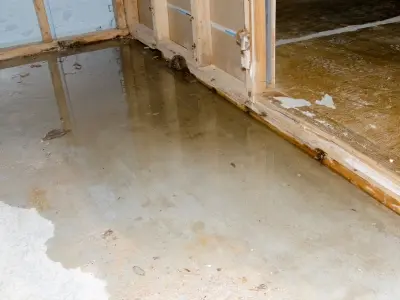
Spring arrives with steady rainfall and rising groundwater levels, putting pressure on drainage systems around a structure. Beneath basement floors, a sump pump system prepares to manage excess water before it reaches living spaces. Reliable operation during this season determines whether a property remains dry or faces costly water intrusion.
Sump Pumps and Their Benefits Explained
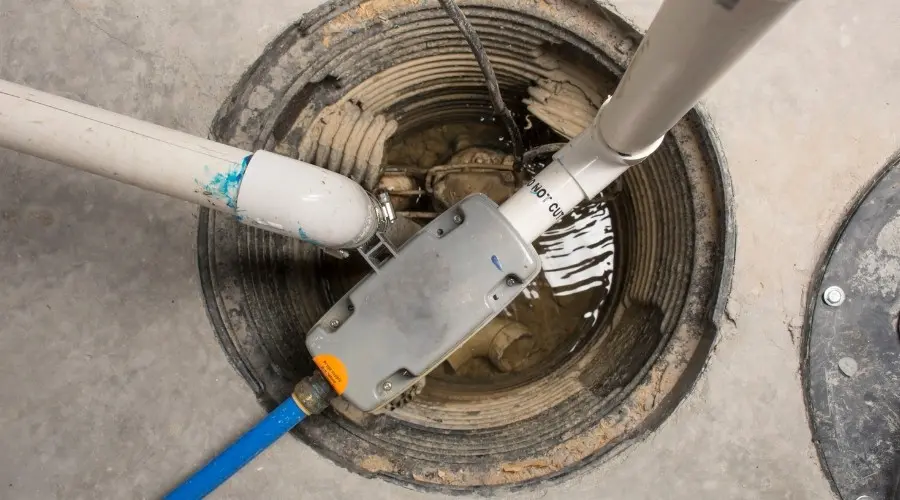
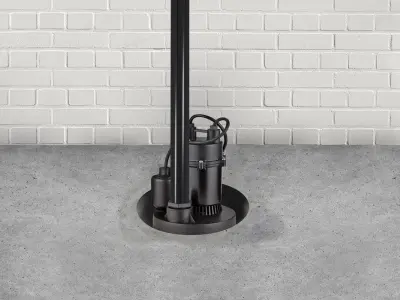
A sump pump system begins with a basin that collects groundwater as the soil becomes saturated. Once water reaches a certain level, the pump activates and redirects water away from the foundation through a discharge pipe. This process prevents flooding and preserves structural stability.
Consistent water removal reduces the risk of damage to flooring, drywall, and stored belongings. Moisture control also limits mold growth, which thrives in damp conditions and spreads through indoor air. Health concerns linked to mold exposure highlight the importance of maintaining a dry basement environment.
Long-term protection leads to reduced repair costs and improved property value. Flood prevention strategies supported by sump pump systems help avoid expensive restoration work. Efficient water management ensures a safer and more comfortable indoor space throughout the season.
How to Make Sure a Sump Pump Works Correctly
Regular inspection begins with checking the sump basin for dirt, debris, and potential clogs. Accumulated material can block water flow and reduce system efficiency during heavy rainfall. Clearing obstructions allows proper drainage and supports reliable pump activation.
Performance testing involves pouring water into the basin to observe system response. A properly functioning pump activates quickly and discharges water through the outlet pipe. Delayed activation or unusual sounds may indicate mechanical wear or electrical issues.
Professional maintenance ensures that all components operate at peak performance. Detailed inspections identify worn parts, faulty switches, and potential system failures. Routine servicing extends equipment lifespan and prepares the system for increased seasonal demand.
Why a Sump Pump Backup May Be Needed
Heavy storms often create conditions where a primary sump pump operates continuously for extended periods. Mechanical strain during these events can lead to system failure at critical moments. A backup sump pump provides additional protection when primary equipment becomes overwhelmed.
Power outages pose another challenge, as standard sump pumps rely on electricity to operate. Severe weather can interrupt the power supply, leaving basements vulnerable to flooding. Battery-powered or water-powered backup systems maintain functionality during these outages.
Redundant systems strengthen flood prevention strategies and provide peace of mind during unpredictable weather. Automatic activation ensures a seamless transition when primary systems fail. Investing in a backup solution enhances overall system reliability and safeguards against unexpected water damage.
About AAA Advanced Plumbing & Drain
AAA Advanced Plumbing & Drain is a complete plumbing services company serving Cleveland, OH, and beyond. They offer straightforward pricing, 24-hour services, and the latest technology. Call them today for top-rated sump pump services in Cleveland, OH.
How to Tell When a Water Heater Needs to Be Repaired or Replaced
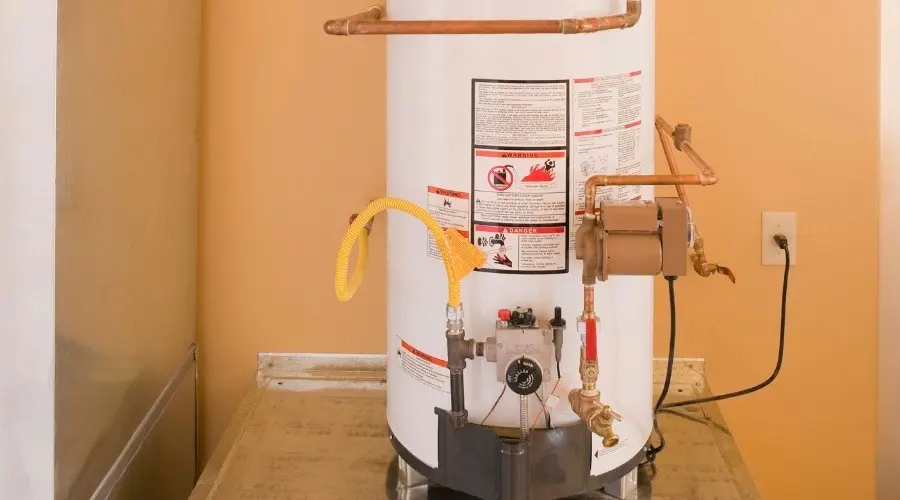
A malfunctioning water heater can disrupt daily routines, but not every issue means the system is finished. Some problems call for targeted water heater repair, while others signal that water heater replacement offers a safer, longer-lasting path. Clear differences appear in performance, condition of the tank, and frequency of trouble. This guide reviews major warning signs that point toward repair, situations where a corroded water heater or aging tank makes replacement the better option, and how prompt attention to water heating problems limits costs and household stress.
Signs Water Heater Repair Is Needed
Many common water heater problems can still be solved with repair rather than a new unit. Common issues include:
Little or no hot water, especially after heavy use, often tied to a bad heating element, thermostat trouble, or mineral buildup.
Unexplained jumps in utility bills, pointing to an inefficient water heating system that needs adjustment or service.
A pilot light that will not stay lit because of a failing thermocouple or draft issue.
Hot water with an odd color, odor, or taste that stems from sediment or bacteria rather than severe water heater corrosion.
Localized leaks at fittings or valves that can be resealed or replaced without opening the tank.
Signs Water Heater Replacement Is Needed Instead of Repair
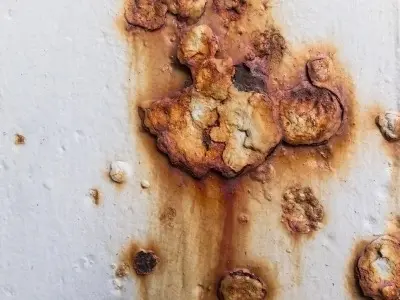
In some situations, water heater replacement is the most practical choice. A tank more than a decade old that struggles to keep up with demand may deliver unreliable performance even after repair. Visible rust on the exterior, water heater corrosion around connections, or flakes of metal near the burner compartment suggest structural weakening. Persistent leaks that return after multiple fixes usually indicate tank failure instead of a loose fitting. Repeated breakdowns, especially during high-demand seasons, can turn a corroded water heater into an ongoing expense. When discolored water or a strange smell or taste continues after flushing, corrosion inside the tank or lines may be to blame, making replacement the safer route.
Benefits of Timely Repair or Replacement
Addressing water heater trouble quickly offers several advantages. Prompt water heater repair prevents minor issues, such as small leaks or thermostat problems, from escalating into major damage or sudden loss of hot water. Fixing worn parts and flushing sediment can restore energy efficiency, helping keep utility costs more manageable while extending the useful life of the system.
Choosing a water heater replacement can be equally beneficial. New models typically provide better insulation, more precise temperature control, and faster recovery after heavy use. A properly sized water heater installation reduces the risk of running out of hot water and usually needs fewer emergency service calls. Over time, lower operating costs and reduced repair needs can offset the initial investment.
About AAA Advanced Plumbing & Drain
Serving Northern Ohio since 1927, AAA Advanced Plumbing & Drain has a near-century-long reputation for comprehensive and reliable plumbing service. With a commitment to providing on-time service from their trusted plumbers, they are the go-to contractor for emergency plumbing services in Cleveland and the surrounding areas. Call them today to get straightforward pricing for water heater installation in Cleveland, OH.
The Importance of Installing a Water Filtration System
Clean water plays a critical role in daily plumbing performance and overall household health. Many water supplies contain sediment, minerals, and contaminants that affect taste and long-term pipe condition. Water filtration systems help address these concerns while supporting reliable plumbing operation.
What Do Water Filtration Systems Do?
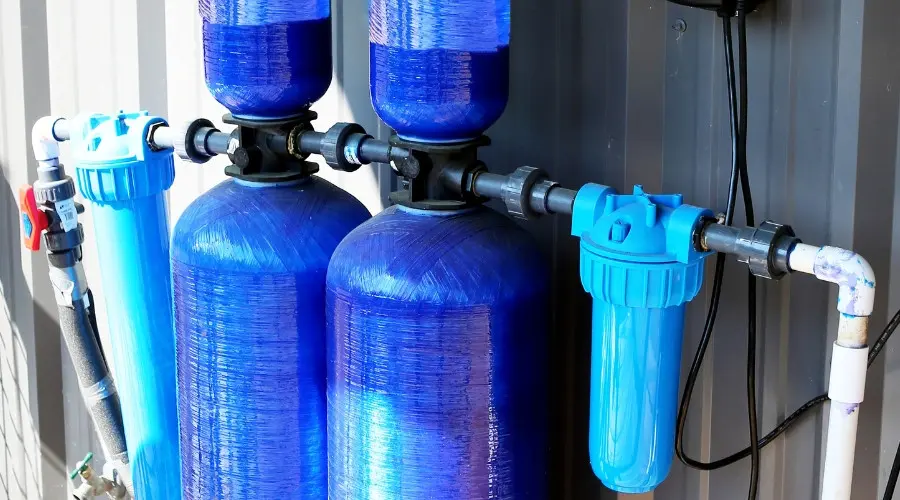
Water filtration systems remove unwanted particles, chemicals, and minerals from incoming water supplies. Filtration media such as carbon filters, membranes, and reverse osmosis components capture contaminants as water flows through the system. This process improves water clarity and overall quality for household plumbing use.
Plumbing systems benefit from filtered water by reducing scale buildup and corrosion inside pipes. Fewer impurities allow fixtures and appliances to operate more efficiently over time. Improved water quality also supports consistent performance across sinks, showers, and water-using equipment.
Advanced water filtration systems integrate seamlessly with existing plumbing infrastructure. Installation often occurs at point-of-use or whole-home locations, depending on water quality goals. Modern systems rely on tested plumbing technology to maintain steady water pressure and flow.
Benefits of Installing a Water Filtration System
Healthier water stands out as a major benefit of professional filtration installation. Reduced exposure to chlorine, heavy metals, and sediment supports safer water consumption. Cleaner water also enhances cooking and beverage preparation.
Plumbing longevity improves when filtered water flows through pipes and fixtures. Mineral reduction minimizes scale accumulation inside water heaters and plumbing lines. This benefit often leads to fewer plumbing repairs and extended equipment lifespan.
Improved taste and odor create a noticeable upgrade in daily water use. Filtered water supports better bathing experiences and cleaner laundry results. Consistent water quality also adds value to residential plumbing systems.
Signs a Home Needs a Water Filtration System
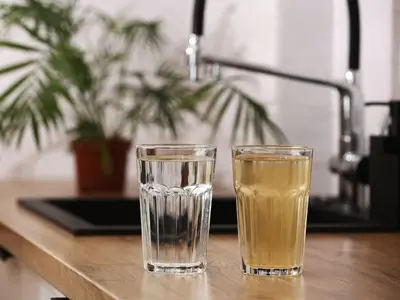
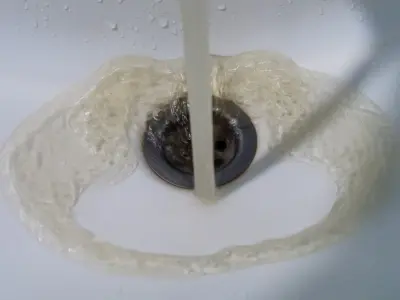
Cloudy water often signals sediment or mineral presence within the plumbing supply. Discoloration may indicate rust, iron, or other contaminants entering water lines. These visual signs suggest filtration may be necessary.
Unpleasant taste or odor commonly points to chemical treatment residue or organic material. Chlorine smell or metallic flavor frequently appears in unfiltered water supplies. Filtration systems address these concerns through targeted contaminant removal.
Scale buildup on fixtures and frequent plumbing maintenance also signal filtration needs. Hard water leaves mineral deposits on faucets and inside appliances. Professional water filtration installation helps resolve these recurring plumbing issues. Reliable water quality supports long-term plumbing performance and daily comfort.
Call AAA Advanced Plumbing & Drain
AAA Advanced Plumbing & Drain is a comprehensive plumbing solutions provider serving Cleveland, OH, and beyond. AAA Advanced Plumbing & Drain offers straightforward pricing, emergency services, and the latest technology. Call AAA Advanced Plumbing & Drain for premium water filtration services in Cleveland, OH.
Stay Safe From Dangerous Gas Leaks by Identifying Them Quickly
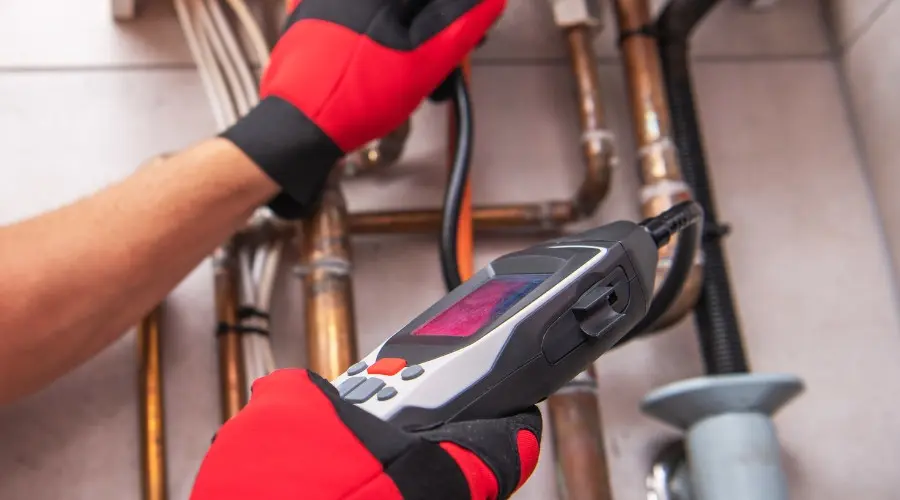
A gas leak can create danger in any home. Quick identification keeps a household safe and prevents major damage. Simple clues make detection easier for any family. This blog discusses common signs of a gas leak to help homeowners identify it and call for professional gas leak repair to resolve it right away.
Strange Smells or Sounds
A strong sulfur or rotten egg smell often signals leaking gas near a line or appliance. This smell helps alert a household before harm takes place. Any scent like this should be treated as an urgent warning.
A hissing sound can come from a damaged gas pipe inside a wall or near a connection. This sound happens when gas escapes through a small opening under pressure. Even a soft whistle can point to a serious problem.
A mix of odd smells and unexplained noises usually means gas is escaping. These clues help a household identify the issue more quickly. Early gas leak awareness limits damage and improves safety.
Higher Gas Bill
A sudden rise in a monthly gas bill can point to wasted gas inside a home. Normal usage paired with higher charges often means gas escapes through cracks or loose fittings. Tracking billing patterns helps catch these changes quickly.
A leak can cause constant gas flow even when the appliances are off. This extra usage boosts costs without adding comfort or heating benefits. Consistent monitoring keeps energy expenses under control.
A household can spot problems early by comparing bills month after month. Unusual increases often guide attention to hidden leaks. Awareness supports safer and more efficient home operations.
Physical Symptoms
A gas leak can cause illness for people inside a home. Eye irritation, throat discomfort, headaches, and dizziness often appear first. More serious cases bring nausea, breathing problems, and deep fatigue.
Pets can also react to leaking gas inside a home. Loss of appetite, vomiting, and breathing issues may develop quickly. Smaller animals often show symptoms sooner due to more sensitive lungs.
Physical distress in people or pets often signals trouble inside the home. These physical symptoms usually fade once clean air flows back into the space. Noticing these health signs can help catch a leak early.
About AAA Advanced Plumbing & Drain
AAA Advanced Plumbing & Drain is a complete plumbing and drain services company serving Cleveland, OH, and beyond. They offer straightforward pricing, 24-hour services, and the latest technology. Call them for professional gas leak detection services in Cleveland, OH.
Drain cleaning protects plumbing efficiency through routine maintenance and early detection of developing issues. Drain cleaning is a fundamental aspect of maintaining a healthy and efficient plumbing system. Far beyond simply clearing a clog, it acts as a proactive measure—a crucial form of routine maintenance that significantly extends the lifespan and optimizes the performance of the entire plumbing network.
Signs Drain Cleaning Is Needed
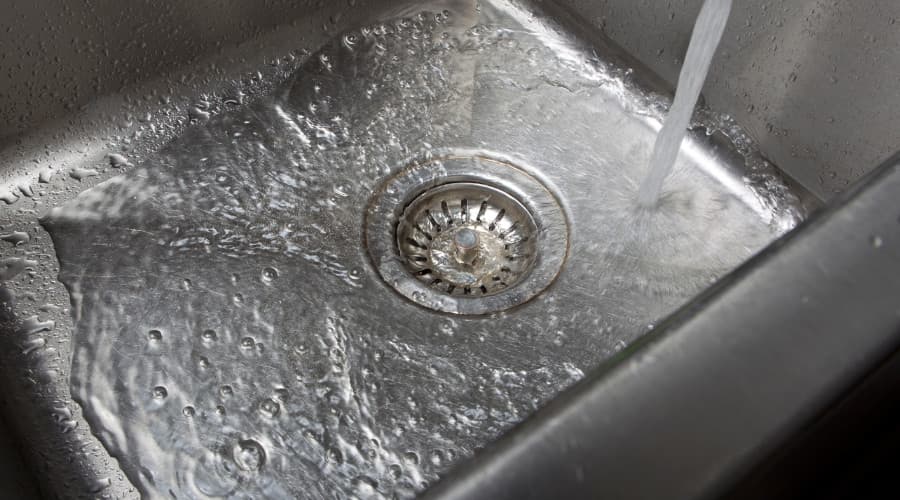
Slow drains signal early blockage formation within interior plumbing systems, especially when water lingers in sinks or tubs. Foul odors rising from drains indicate organic buildup that requires professional-grade removal for long-term stability. Gurgling noises and occasional water backups reflect restricted sewer flow that needs thorough diagnostic attention.
Repeated toilet backups demonstrate pressure imbalances caused by debris accumulation in sewer lines. Frequent clogs across multiple fixtures point to deeper obstructions that require industry-level expertise for full removal. Standing water around floor drains also reveals underlying blockages that affect the entire drainage system.
Intermittent performance changes often highlight unseen buildup within pipe walls. Mineral deposits, sludge, and organic matter combine to reduce drainage efficiency. Timely cleaning protects structural integrity and restores consistent flow across all fixtures.
Common Causes of Drain and Sewer Line Clogs
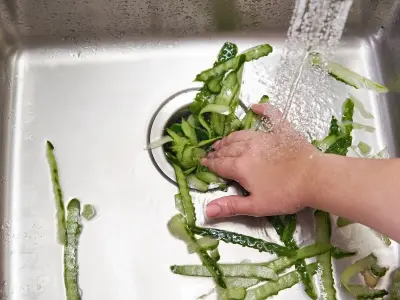
Kitchen plumbing often struggles with grease, cooking oils, and food particles that solidify inside drainpipes. These materials create thick residues that limit water flow and encourage further buildup. Long-term accumulation eventually requires advanced removal methods to restore proper function.
Toilet blockages frequently originate from improper disposal of hygiene items and other non-flushable materials. These items expand or lodge inside bends within sewer piping. Continued misuse intensifies restrictions and leads to system-wide drainage disruptions.
Exterior sewer lines face infiltration from aggressive tree root growth seeking moisture within underground pipes. Roots enter small openings, expand, and trap passing debris. This combination forms heavy clogs that demand specialized removal technology.
How Do Professionals Perform Drain Cleaning?
Professional drain cleaning relies on structured diagnostics and high-precision tools that target obstructions from the source. Sewer video inspection allows clear visibility into pipe interiors, enabling accurate identification of blockage size and location. This approach supports targeted cleaning strategies suited to each plumbing configuration.
Mechanical drain snakes break apart dense debris inside household drains and sewer lines. Rotating cables cut through build-up while guiding tools through bends and joints. The technique restores passage for wastewater flow without damaging surrounding pipe surfaces.
Hydro jetting delivers high-pressure water streams that scour pipe walls and remove hardened deposits. This method addresses grease, scale, and intrusive roots through controlled force. Clean interior surfaces promote long-term flow efficiency and reduce future clog formation.
Call AAA Advanced Plumbing & Drain
AAA Advanced Plumbing & Drain is a complete plumbing and drain company serving Cleveland, OH, and beyond. They offer straightforward pricing, on-time services, and the latest technology. Call them for expert drain cleaning services in Cleveland, OH.
Clean water is something many take for granted, but protecting it from contamination is a critical task. One potential threat to clean water is backflow, which is a phenomenon that can introduce harmful substances into potable water systems. Fortunately, backflow prevention devices can protect against backflow. However, they require regular backflow testing to ensure they’re working correctly. This post will discuss what backflow and backflow testing are and why routine testing is important.
What Is Backflow?
Backflow in plumbing refers to the undesirable reversal of water flow in the wrong direction. Backflow can occur due to a sudden drop in water pressure in the main supply lines, creating a vacuum that sucks contaminated water from a property back into the public water system. Alternatively, a sudden increase in pressure on a property’s side can force non-potable water into the clean water lines. Common scenarios include cross-connections where a potable water line is connected to a non-potable source, or situations where a hose is submerged in a non-potable liquid, such as a garden pond or a cleaning solution.
The dangers of backflow are significant, as it can introduce serious contaminants into the drinking water supply. These contaminants can range from chemicals, such as pesticides, fertilizers, and cleaning agents, to biological hazards, including bacteria, viruses, and human waste. Consumption of contaminated water can lead to severe health issues and is not limited to a single property. A backflow incident can compromise the water quality for an entire community, making backflow prevention and regular testing crucial for public health and safety.
What Is Backflow Testing?
Backflow testing is a critical procedure to ensure that backflow prevention devices are functioning correctly. These backflow prevention devices, such as reduced-pressure zone (RPZ) assemblies, double check valve assemblies, and pressure vacuum breakers, are installed to prevent the reverse flow of contaminated water into the potable water supply.
During a backflow test, a certified technician uses specialized equipment to measure the pressure differentials across the device’s check valves. This process verifies that the valves are holding pressure as intended and that no contaminated water can bypass the device. The test also checks for any issues or worn components that could compromise the device’s effectiveness. Regular testing ensures that any potential malfunctions are identified and addressed promptly before water contamination occurs.
The Benefits of Routine Backflow Testing
Regular backflow testing offers multiple benefits, primarily ensuring the continued correct function of backflow preventers. These essential devices are designed to protect clean water, and regular testing verifies that their internal components are working as intended and allows any necessary repairs or replacements to be made before backflow occurs. Backflow testing helps identify and address issues, preventing water contamination, and ensures compliance with local regulations. Beyond preventing water contamination, routinely testing backflow prevention devices also helps avoid damage to the plumbing system.
Ultimately, the most critical benefit of routine backflow testing revolves around public health and safety. By ensuring that backflow preventers are fully operational, testing helps prevent water contamination from harmful substances, such as chemicals, pesticides, and biological hazards. Contaminated water can cause a range of illnesses, making the protection of the public water supply a crucial priority. Regular testing is a proactive step that safeguards entire communities from the serious health risks associated with backflow incidents, providing peace of mind and upholding the integrity of drinking water systems.
About AAA Advanced Plumbing & Drain
AAA Advanced Plumbing & Drain has been serving Cleveland and the surrounding areas since 1927. They offer straightforward pricing, on-time services, and the latest technology. Call them for backflow prevention services in Cleveland, OH.

)

)
)
)
)

)


)
)

)